Cat Purring Meaning: Not Always Happiness, Here's Why
Author:Andy
Released:February 26, 2026
You're petting your cat, and that familiar rumble starts. It feels like a tiny motor of pure joy, right? But what if that sound isn't always a thank you? Let's dive into the hidden truth behind your cat's vibrations so you never miss a cry for help.
Decoding The Cat Purring Meaning
Most of us grew up believing that a cat purring is the feline equivalent of a human smile. While that is often true, the reality is much more complex. Think of a purr as a multi-purpose tool in a cat's communication kit. Just as humans might laugh when they are nervous or smile to be polite, cats use these vibrations to express a wide range of emotions and physical needs.
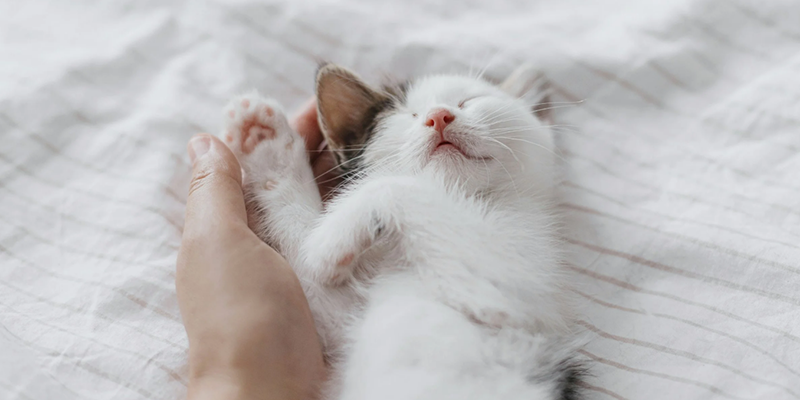
When your cat is curled up in your lap, eyes half-closed, and kneading your leg with their paws, the cat's purring means total contentment. In this state, the purr lowers their blood pressure and yours. It is a social signal that says, I am safe, and you are safe. However, if you only associate this sound with happiness, you might overlook signs of distress. Cats are masters at hiding pain, and sometimes, the louder the rumble, the more they might be struggling.
Why A Cat Purring Might Signal Pain Or Stress
This is the part most owners miss. Have you ever noticed your cat purring loudly at the vet while they are trembling on the exam table? They aren't happy to see the doctor. In this context, the purr is a self-soothing mechanism. It's like a person whistling in the dark or hyperventilating during a panic attack. They are trying to calm themselves down.
Research shows that cats often purr when they are terrified or even when they are dying. This end-of-life purr is thought to be a way for the cat to maintain a sense of peace or to signal to its companions that it is vulnerable. If your cat is hiding under the bed, refusing food, but still vibrating intensely, don't assume they are fine. This is a major red flag that requires a trip to the vet.
The Solicitation Purr: How Your Cat Hacks Your Brain
Cats have evolved a specific type of purring designed to get exactly what they want from you. Scientists call this the solicitation purr. It's not the low, rumbling sound of a sleepy cat. Instead, it's a higher-pitched, more urgent vibration that contains a frequency similar to a human baby's cry.
If your cat starts purring at 6:00 AM while walking across your face, they aren't just being affectionate. They are using a biological hack to trigger your nurturing instinct. You find the sound hard to ignore, which usually prompts you to get out of bed to fill the food bowl. In this scenario, the 'scat's purring means simply: "Feed me now." It is a demand disguised as a cuddle.
The Secret Language Of Kitten Purring
The bond between a mother and her litter is built on vibration. Because they are born blind and deaf, kitten purring is a vital survival tool. At just two days old, kittens can start communicating with their mother through these rumbles.
Since the kittens can't see where the milk bar is, the mother cat purrs to act as a vibrating homing beacon. The kittens follow the sound of her Breathing to find her body and stay warm. In return, the kitten's purring tells the mother that it is getting enough milk and doing well. It's a silent conversation that happens without a single meow, keeping the nest quiet and safe from potential predators who might hear a loud cry.
If you've recently adopted a young cat, you'll notice that kitten purring is often much more frequent than in older cats. They are still using the "everything is okay" signal to navigate their new world.
How To Tell If A Purr Is A Help Me Or A Love You
Since the sound can mean so many things, you have to look at the fine print of your cat's body language. You can't rely on the ears alone; you have to look at the whole package.
- The Contentment Check: If the cat is relaxed, ears are forward, and the tail is still or gently waving, the purr means they are happy.
- The Stress Check: If the cat is purring but their ears are pinned back, their tail is flicking rapidly, or their pupils are dilated (huge and black), they are likely stressed or in pain.
- The Injury Check: If a cat is purring while hunched over or not moving much, they might be using the vibration to heal.
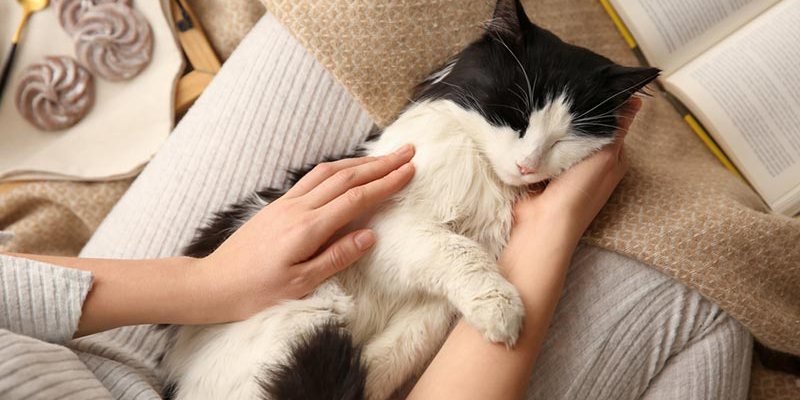
If you've ever noticed your cat purring while they have a visible wound or after a fall, you aren't imagining things. There is a biological reason for this that goes beyond just feeling better.
The Healing Power Of The Rumble: It'S Not Just For Them
One of the most incredible things about cat purring is the sound's actual frequency. Most cats purr at a frequency between 25 and 150 Hertz. In human medicine, frequencies in this exact range have been shown to improve bone density and promote the healing of tendons and muscles.
This suggests that cats purr to maintain their own health. Because cats spend a lot of time sleeping and conserving energy, purring might be a low-energy way to keep their bones and tissues stimulated while they rest. It's essentially a built-in physical therapy session.
Even more amazing? This healing power extends to you. Studies have shown that cat owners have a 40% lower risk of heart attack compared to non-owners. When you hold a purring cat, that vibration helps lower your Stress hormones and can even help your body recover from minor injuries faster. You aren't just petting a cat; you're using a biological healing device.
Practical Tips For Every Cat Owner
To truly understand your cat, you need to stop listening to the sound and start looking at the context. Here is a quick guide to common scenarios:
- Purring while being picked up: If they stiffen, they want to be put down. The purr is a nervous please don't hurt me signal.
- Purring during a thunderstorm: This is pure anxiety. They are trying to vibrate their way to a calmer state of mind.
- Purring when you come home: a greeting. They are re-establishing the social bond with you after you've been away.
- Purring while grooming another cat: a sign of social hierarchy and friendship, meant to keep the peace and prevent fighting.
A Better Way To Bond With Your Cat
Understanding the true meaning of a cat's purring changes how you interact with your pet. Instead of assuming they are always happy, you become a better cat parent by noticing when that rumble is actually a plea for help or a sign of hidden pain. By paying attention to the subtle cues—the twitch of an ear or the tension in their paws—you build a deeper, more honest connection with your feline friend. Your cat is talking to you; you have to know how to listen.
Next time your cat starts that familiar vibration, take a second to look at them. Are they truly relaxed, or are they trying to tell you something more? Being able to spot the difference is the ultimate gift you can give your pet. It ensures they feel truly understood, safe, and cared for in your home.
Related Posts
The Best Ways to Introduce a New Litter Box to Your Cat
How to Build a Stable Cat Scratching Post for Indoor Cats

What Is An ESA And Why Dogs Make The Best Companions
Adopting a Cat in 2026: Costs, Prep & Finding the Right Match

Dog Training Classes for Public Outings: Obedience Basics